

LED light bulbs offer numerous advantages over traditional incandescent bulbs, including lower energy consumption and reduced heat output. However, it is essential to consider a few factors before replacing incandescent bulbs with LED alternatives.
One important consideration is wattage equivalence. LED bulb typically use significantly fewer watts to produce the same amount of light as incandescent bulbs. Therefore, it is crucial to choose a light bulb with an equivalent wattage to ensure proper functioning and prevent damage to the fixture.
Another factor to keep in mind is the compatibility of the base type. Most LED bulbs come with a standard screw-in base, which is compatible with the majority of incandescent fixtures. However, some fixtures may have different base types, such as bayonet bases, which may not be compatible with all LED bulbs. It is essential to check the base type and verify compatibility before making a purchase.
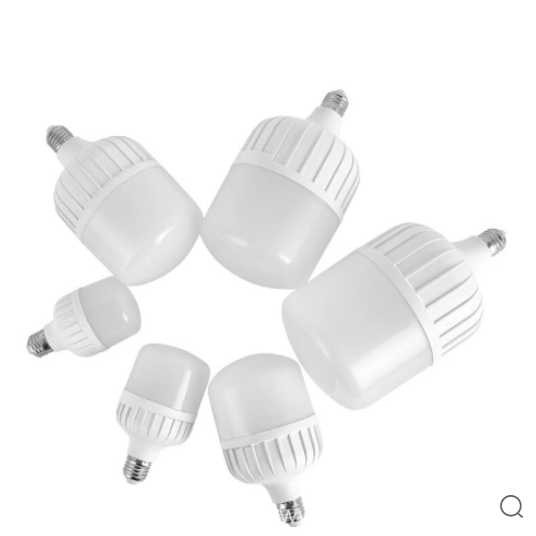
In addition to these considerations, advancements in LED technology, like the T Shape Series LED Bulb and Smart Bulb, offer additional features and convenience. These bulbs may come with dimming capabilities, color-changing options, or compatibility with smart home systems. However, it is crucial to ensure that the existing fixture is compatible with these advanced functionalities to avoid any potential issues.
Overall, while it is generally possible to use LED bulbs in incandescent fixtures, it is essential to consider factors such as wattage equivalence, base compatibility, and additional features. LED bulbs, including those from the T Shape Series LED Bulb and Smart Bulb range, provide energy-efficient and environmentally friendly lighting options. Before making any changes, it is recommended to refer to product specifications, manufacturer guidelines, and seek expert advice if needed to ensure optimal performance and safety.